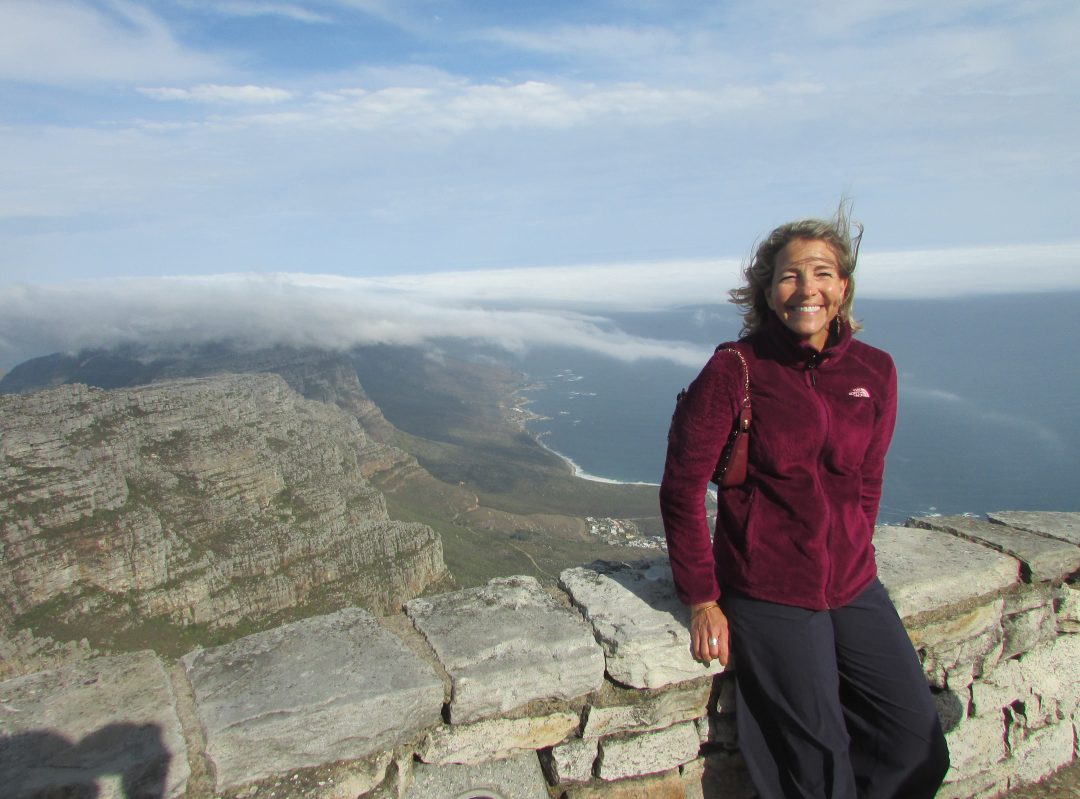


For our opening worship this academic year, we commemorated a new liturgical festival: the Festival of Creation in Christ Sunday, or, more simply, the Feast of Creation. It is meant to be celebrated every year on the first Sunday in September, to praise God our creator, and to inspire care for God’s creation. This commemoration was added to the Revised Common Lectionary by the Consultation on Common Texts in May, 2026.
I preached this service, and I was excited to have the opportunity to preach on the Prolog to the Gospel of John [in this case, John 1:1-5] at a time other than Christmas morning. This is one of my very favorite texts, and I relished the chance to link a celebration of the incarnation with our rootedness in God’s good creation–and think about what that might mean for the Wartburg Seminary community and our life together.
This is my sermon.
I’ll be honest; I don’t know much about the lectionary overlords: those who monitor, maintain, and, once in a blue moon, suggest additions to the schedule of texts that shape our liturgical rhythm.
However, I have been thinking about them with great gratitude these past few weeks, in anticipation of our opening worship service today. I am grateful not only for this opportunity to celebrate the feast of creation, but even more so to celebrate why, from a Christian perspective, a feast of creation is so integral to our faith, and to our human life in the world.
And to do this, we have no better starting point than our gospel text for this festival—the introduction to Prologue to the Gospel of John, which stands at the center, the heart of this commemoration. These five verses that open this Gospel are leading us into a stunning declaration, a claim that is as miraculous and shocking today as it was over 2 millennia ago, a claim that is the bedrock of the Christian faith: the Word became flesh and dwelt among us. Does it give you goosebumps? It should.
Oh, I know—you’ve heard it before; probably more times than you can count: in church, in classes, in Bible Study; so maybe it doesn’t seem like such a big deal. But my dear siblings in Christ, make no mistake: this is a big deal; this is the deal; this is who God is, and this is who we are: the creator and the created bound together, in the unshakable power of God’s love, forever. And not just humanity, but the whole creation, the entire universe. God is not outside, God is inside. God is not without, God is within. God is not far away, God is nearer to you than you are to yourself. And not just near to you, but near to everyone, everything—every nook and cranny of this planet, this cosmos.
And because of that, this text, this core Christian belief that the word became flesh, invites us to go deeper.
Several decades ago, Lutheran theologian Niels Henrik Gregersen developed the concept of deep incarnation. By this phrase, he pointed to the reality that the divine Word did not simply become human, but became sarx, flesh, the stuff of the entire creation. Stardust. Algae. Soil. Moss. So yes, God became human, but not just human—so, so much more than that. Go deeper.
In Jesus Christ, word of God, God did not just bind God’s very self to humanity, in Jesus Christ, word of God, God bound God’s very self to the grey whale, the dung beetle, the Frasier fur and the brown bat; the goldfinch and the saguaro cactus, the howler monkey and the starfish. Your beloved pet, your favorite lake, that special tree—God is in it all.
So, when you think you know the depth of God’s love for God’s creation, go deeper. When you think you know the depth of God’s love for you, go deeper. And when you think you know the depth of God’s love for your enemy, your neighbor, and the stranger, go deeper.
Friends, as we come together today, re-constituting the Wartburg Seminary community anew on the cusp of this new academic year, I invite you to take this invitation to go deeper. Don’t be content with what is on the surface, what seems obvious, what you think you already know. Go deeper. Follow the Holy Spirit as she leads you deeper, to the surprising places where God is waiting to meet you.
Here’s what this might look like this year.
Don’t stop at a first impression—which may or may not be good, or accurate, or tell you everything you need to know about someone you just met. Go deeper.
I can’t be the only one who, when meeting someone for the first time, sometimes says the wrong thing, or does something dumb that I regret later, leaving me to walk away, hoping I get another chance to show who I am. So, this year, if you are on the receiving end of a bad first impression, go deeper, and give that person a second look.
Don’t stop at the stories you have internalized about yourself, what may or may not be true about your abilities, your personality, your gifts—or lack thereof. Go deeper. The truth about who you are isn’t on the surface. The deepest truth about yourself is that you are a beloved child of God, fearfully and wonderfully made, and called in your baptism to a full, rich life of faithful discipleship. Allow God to form you here, ever deeper in the image of Christ.
And, finally, don’t stop with the theology you come with—the things about God you grew up believing, the things about the church you have been told are true. Go deeper. The Wartburg Seminary faculty is the best of the best, and given the chance, they will blow your mind. Do not miss the opportunities you have in seminary to listen patiently, ask probing questions, and learn from and with your classmates and this whole community. The surface is not where you want to be in seminary.
Follow the Holy Spirit as she leads you deeper, to the surprising places where God is waiting to meet you.
So today, as we begin this new academic year rooted in this God-drenched place, this tiny, precious corner of God’s great grand creation, let us hear again the words of Dr. Luther. He reminds us that this life of deepening awareness of God’s presence, of God’s call, is the Christian life, the baptismal journey each one of us travels, through the power of the Holy Spirit. Luther writes:
“This life is not righteousness, but growth in righteousness, not health, but healing, not being but becoming, not rest but exercise. We are not yet what we shall be, but we are growing toward it, the process is not yet finished, but it is going on, this is not the end, but it is the road. All does not yet gleam in glory, but all is being purified.”
Bound together as one body through the irresistible and unrelenting Word of God, you and I are on the way, growing and going ever deeper. Welcome to this new year at Wartburg Theological Seminary.

 Happy Lutheran