
Tell me, what is it you plan to do with your one wild and precious life?
Surely, you have heard this question before. Perhaps in a sermon, perhaps you read it in a book, or perhaps you came across it in a TED talk, or some other presentation. Or, perhaps you even read it in its original context: the poem, “The Summer Day,” by Mary Oliver.
To say it is ubiquitous is perhaps an overstatement, but there is no denying that it is a very, very popular quote that seems to resonate with many people. In this blog post, I want to reflect on why that might be the case.
Most recently, someone included this statement in their presentation at the American Academy of Religion. In that context, as as true in all the places where I have heard it in the past few years, it was quoted in an invitational, generous way, with an openness of spirit in which we, the listeners, were included.
I was reflecting on it after that panel was complete, and I realized that this openness of spirit is one of the reasons why I think this quote resonates with so many people: the question feels invitational, rather than demanding; it is not accusatory, or judgmental; it doesn’t ask you to justify your existence–either now or in the future; and it doesn’t give you the sense that there is a final calculation looming, and you must not come up short at the end.
Instead, it simply presents a conviction that life is a gift–wonderful, unique, and sacred, and this gift engenders an irresistible impulse to respond to such lavishness with delight, courage, and thoughtfulness.
Additionally, I think the two descriptors of this life are also so important: wild and precious. It is the genius of Mary Oliver to put these two words together in such a way that they convey such expressive meaning. Read independently, each could mean many different things, but read together, they convey the central idea that life is bursting with possibilities of creative wonder and those possibilities are not to be taken lightly, tossed away casually, or wasted. The gift of life is a gift to be used, risked and spent–not tucked in a drawer, and that use must come with intentional mindfulness of its priceless value.
Yes, one’s life is radically open, with innumerable, almost unimaginable possibilities: dangerous perhaps, risky certainly, but with an “explore the boundaries, take the untraveled road” kind of feel. There is an unspoken sense that at least once in one’s life, daring, experimentation, and the risk of failure should be embraced, and what is tame and well-trodden passed over.
And at the same time, there is the reminder that above all else, life is to be treasured. Nothing is promised, no amount of time is assured, and wonderful surprises, love, and joy can never be simply expected and taken for granted. We get one life: one precious life.
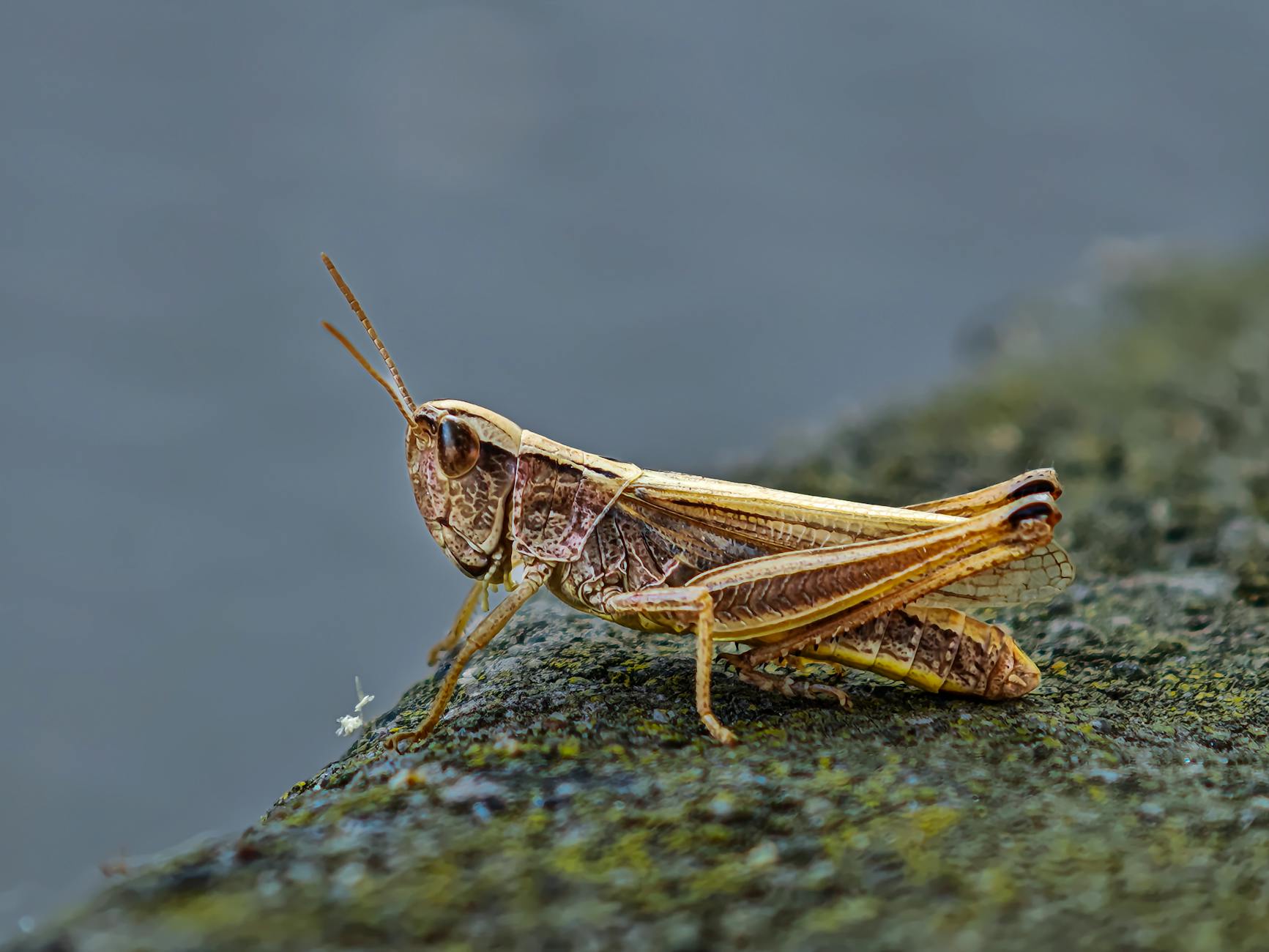
In “The Summer Day,” Oliver precedes this question [which concludes the poem] with a meandering description of what some might see as wasted time on a summer’s day–philosophical speculation, a very close inspection of a grasshopper, and strolling through the fields “idle and blessed.” In response to an imagined critique of this use of a day, she asks:
Tell me, what else should I have done? Doesn’t everything die at last, and too soon?
Oliver does not ask us to measure the value of our lives in numbers–money made, jobs held, awards won–but instead, the appreciation, grace and love we have given and received from each other, and from a world that would willingly take our breath away more often, if we only gave it the opportunity.
So, as we prepare to celebrate Thanksgiving, we do well to give thanks for this one wild and precious life–both our own, and the wild and precious lives of those around us. And to perhaps take a moment to reflect on how we are showing up for ourselves and others in this world, with open hearts and open eyes, praying a prayer of attention to the grasshopper sitting in our open hand.

 Happy Lutheran